A kinder way to say I do
More couples than ever are asking the same question as they start planning: how do we celebrate in a way that reflects our values? A sustainable wedding is no longer a niche idea reserved for woodland ceremonies and hemp table runners. It is simply a celebration that wastes less, supports local makers and leaves a lighter footprint behind. Many of the most beautiful weddings are the ones where every detail was chosen with care, and going greener rarely means giving up style. Whether you are just beginning to plan your wedding with Zothey or refining the final details, these ideas will help you celebrate beautifully and responsibly.
Start with the venue and the season
Your venue sets the tone for everything else, and it is also the decision with the biggest environmental impact. A location close to the majority of your guests cuts travel emissions dramatically. A space that needs little extra decoration does half the work for you, too. A barn in high summer, a botanical glasshouse or a family garden can look stunning with almost nothing added.
Planning around the season matters just as much. British-grown peonies in June cost less and travel far shorter distances than imported blooms in December. When you browse wedding venues and local suppliers on Zothey, ask each one what they already do to reduce waste. Most venues are proud to share their efforts.
Ask the right questions early
Recycling schemes, reusable decor collections and relationships with local growers are all worth asking about before you sign anything. A venue that already thinks this way will make every other green choice easier. If yours does not, do not despair. A few polite requests in your planning notes can change how the whole day runs.
Choose bridal wear made to be kept
Fast fashion has quietly worked its way into weddings, and single-wear dresses are the clearest example. The antidote is choosing a piece made with intention, in a fabric and cut you will genuinely love again. Handmade-to-order bridal wear from Velo Bianco is created for one bride rather than churned out in bulk. A made-to-measure gown uses less wasted material and fits properly, so alterations and replacements are rarely needed. Some brides also choose a design that can be shortened or reworked afterwards, turning the dress into a piece that lives on.
Vintage with a story attached
Pre-loved gowns deserve a look too. As guides from Brides point out, secondhand dressing is one of the simplest ways to reduce the footprint of your day. It often comes with a better story attached, as well as a gentler price. Consider borrowing a veil or family jewellery to complete the look.
Rethink flowers, food and favours
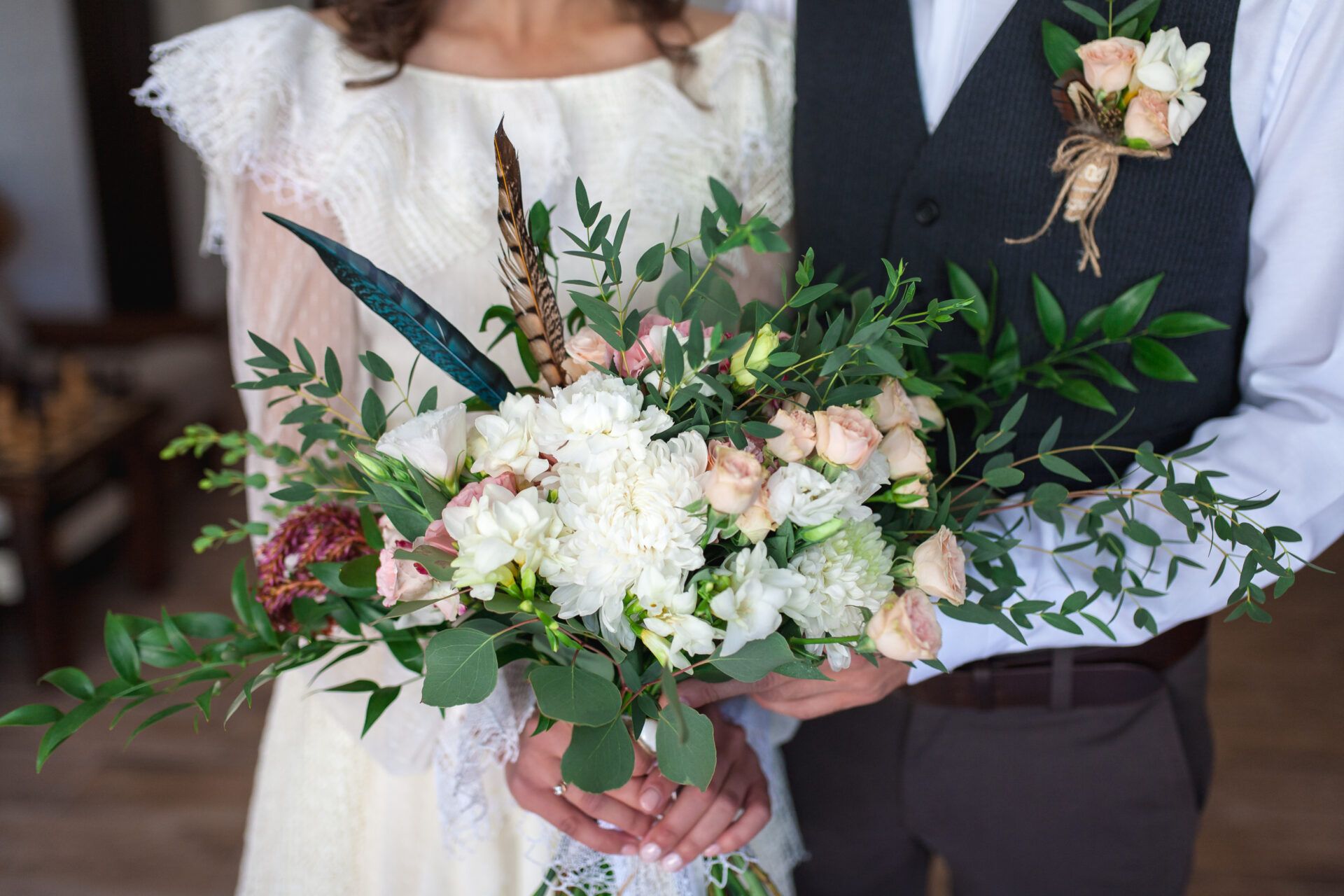
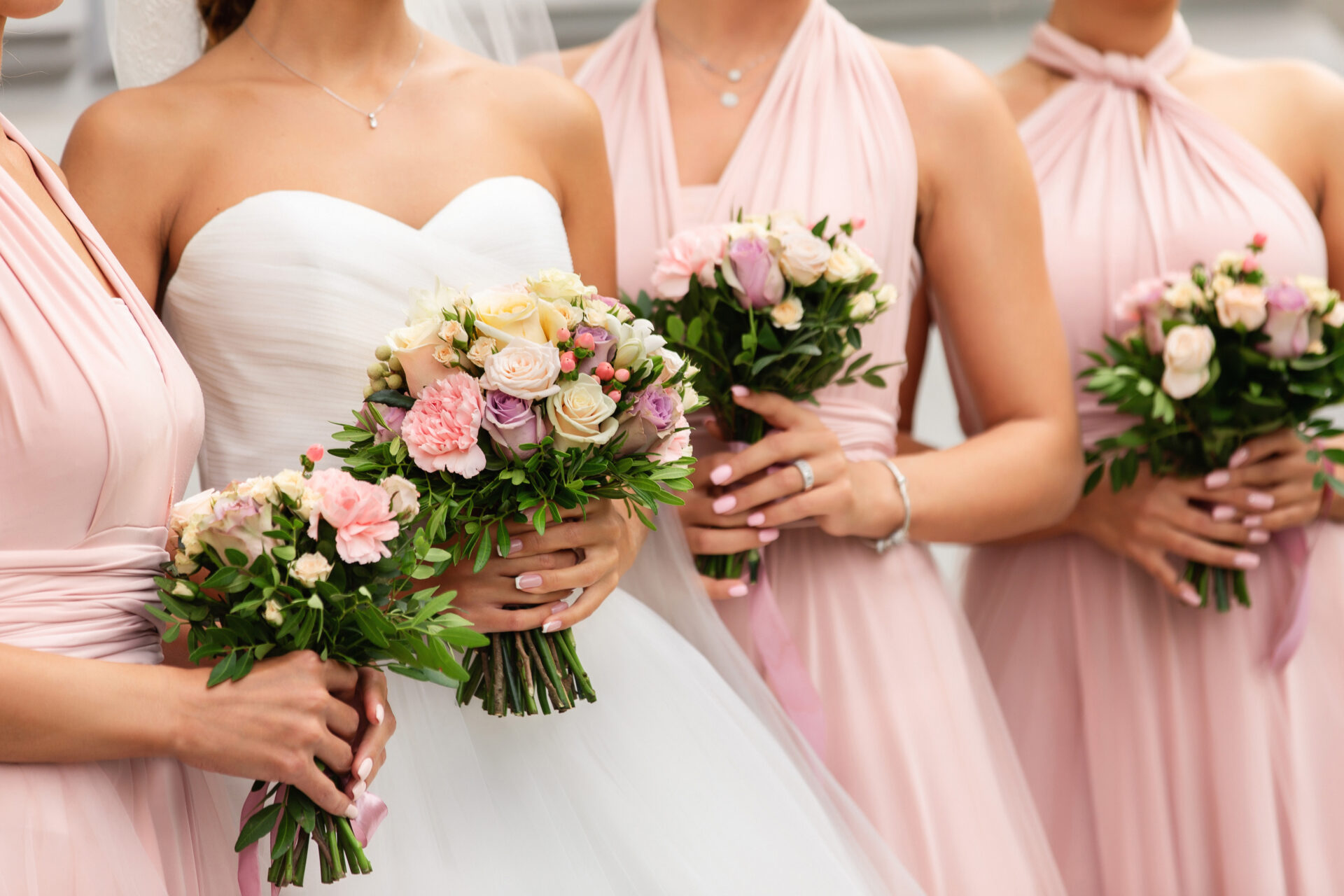
Florals and catering offer easy wins. Ask your florist for seasonal, British-grown blooms and potted plants you can gift or replant afterwards, rather than arrangements that head to the bin the next morning. Foam-free floristry is now standard among thoughtful designers, and the advice from You and Your Wedding is worth reading before you brief yours.
For food, choose a caterer who sources locally and plans portions sensibly. Arrange for leftovers to go home with guests or to a charity that collects surplus. You can find caterers, florists and favour makers who share this mindset when you explore wedding suppliers on Zothey.
Favours worth keeping
A jar of local honey, a sapling or a small donation in each guest’s name says thank you far better than another trinket destined for a drawer. Edible and plantable favours rarely get left behind on the table. They also give your guests a small piece of the day to take home.
Small swaps that add up
Not every change has to be grand. Digital invitations and RSVPs remove an entire stationery order, and seeded paper works beautifully for anything you do print. Borrowing, hiring or buying secondhand decor keeps items circulating that would otherwise be used once, and venues often have backdrops, candle holders and linens from previous weddings sitting ready to reuse.
Confetti made from dried petals, a playlist instead of printed song requests and a single well-chosen cake instead of a dessert table stacked with uneaten slices all trim waste without trimming joy. As planning guides on Hitched suggest, the couples who are happiest with their green choices picked two or three meaningful changes rather than trying to perfect everything. A sustainable wedding is not about a flawless scorecard. It is about a hundred small, loving decisions that add up to a day which feels genuinely yours, from the gown stitched for you alone to the dahlias grown a county away.