Why Sustainable Weddings Are Thriving in 2026
The conversation around sustainable weddings has matured considerably in recent years. What once felt like a series of sacrifices choosing recycled paper over beautiful stationery, forgoing fresh flowers in favour of potted plants has evolved into something far more nuanced and genuinely exciting. Couples planning weddings in 2026 are discovering that sustainability and beauty are not in conflict. In many cases, the most environmentally considered choices are also the most elegant ones.
Finding suppliers who share your values is the foundation of a sustainable wedding. Zothey’s verified wedding marketplace includes a growing selection of eco-conscious venues, florists, caterers, and designers who have made sustainability central to the way they work, making it straightforward to build a supplier team that reflects your priorities.
The Venue: Your Biggest Environmental Lever
The venue is typically where a wedding’s environmental footprint is largest, and also where the most significant reductions can be made. Venues that source their energy from renewable suppliers, manage waste responsibly, and source food locally represent a meaningful step towards a more sustainable celebration. Outdoor and farm venues often have inherently lower carbon footprints than large hotel complexes and can create the kind of natural, atmospheric setting that needs very little additional decoration.
Guest travel is the single largest contributor to wedding carbon emissions, so a venue that is accessible by public transport, or one that is local to the majority of your guest list, can make a substantial difference. As Hitched notes, couples who choose venues within easy reach of where most of their guests live consistently report less travel-related stress for their guests and a more relaxed, present atmosphere on the day itself.
Flowers, Food, and the Circular Wedding
Seasonal British flowers sourced from local growers are both more sustainable and more beautiful than imported blooms. They are fresher, more fragrant, and their availability genuinely connects your wedding to the time of year you are marrying. A June wedding adorned with British sweet peas, garden roses, and foxgloves carries a sense of place and season that a January shipment of imported peonies simply cannot replicate.
Food and drink represent another area of significant impact. Working with a caterer who sources produce locally and seasonally reduces food miles considerably, and often results in a higher quality menu as a direct consequence. Plant-forward menus are increasingly popular, not as a compromise but as a genuine expression of modern culinary sophistication. According to Brides Magazine, couples who chose predominantly plant-based wedding menus in the past year reported overwhelmingly positive feedback from guests who had not expected to find the food so genuinely satisfying.
Sustainable Style: The Dress and Beyond
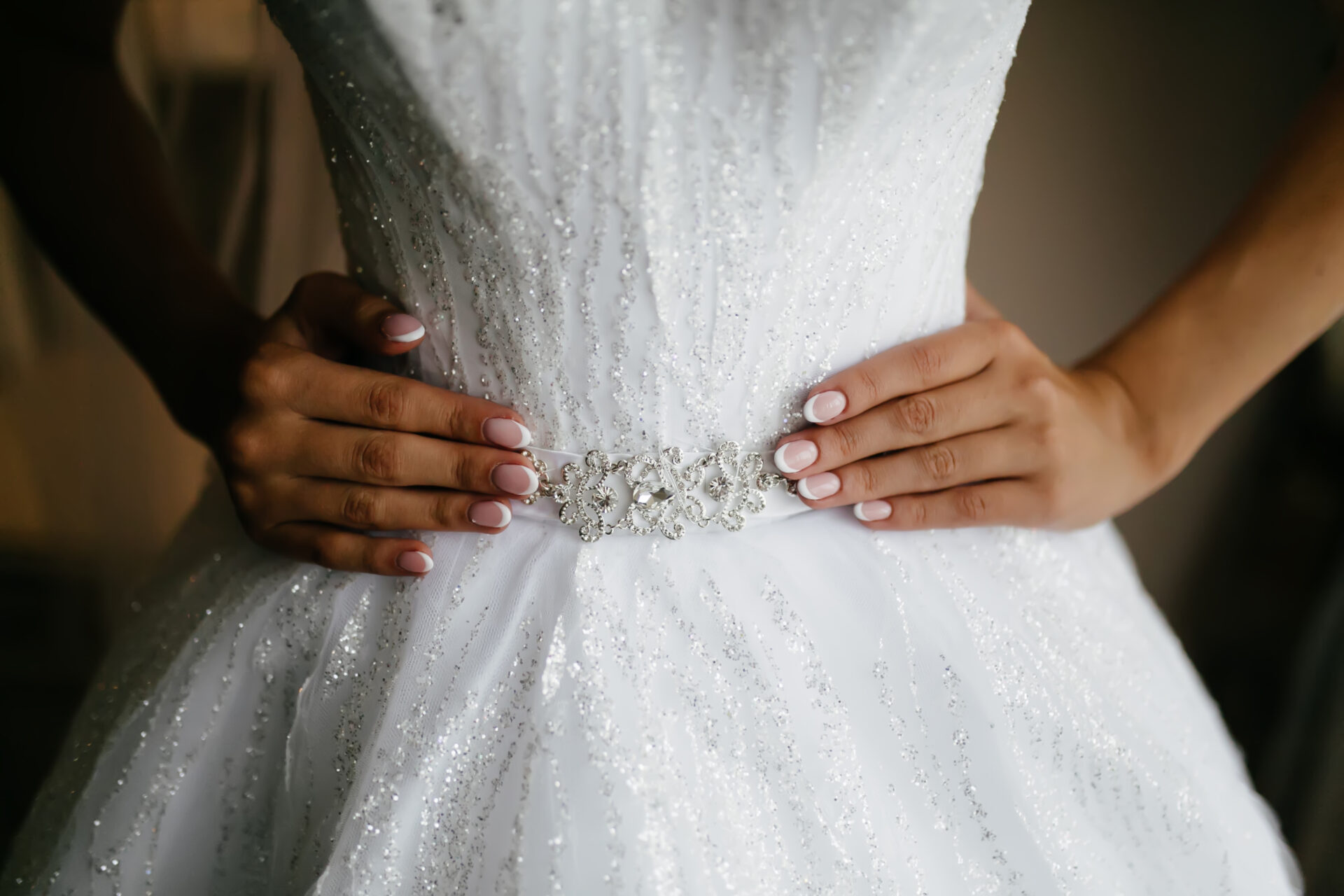
The bridal gown presents one of the most personal sustainability decisions a bride will make. Pre-loved and vintage gowns are an obvious choice for the environmentally conscious bride, and the market for beautifully preserved archive pieces has never been stronger. For brides who want something new, choosing a designer who crafts to order rather than producing in bulk makes a meaningful difference to waste.
Velo Bianco creates every gown as a handmade-to-order piece, crafted specifically for you and delivered worldwide, which means zero unsold stock and a garment made with genuine intention from the outset. This is sustainable fashion at its most considered: beautiful, personal, and made to last well beyond the wedding day itself.
From digital invitations to locally sourced favours, every decision in the planning process is an opportunity to make a choice that aligns with your values. Zothey’s planning tools and digital invitation suite make the eco-conscious path the easy one, so you can focus on creating a celebration that is as beautiful for the planet as it is for everyone in the room.